
How to test the use case before scaling the technology
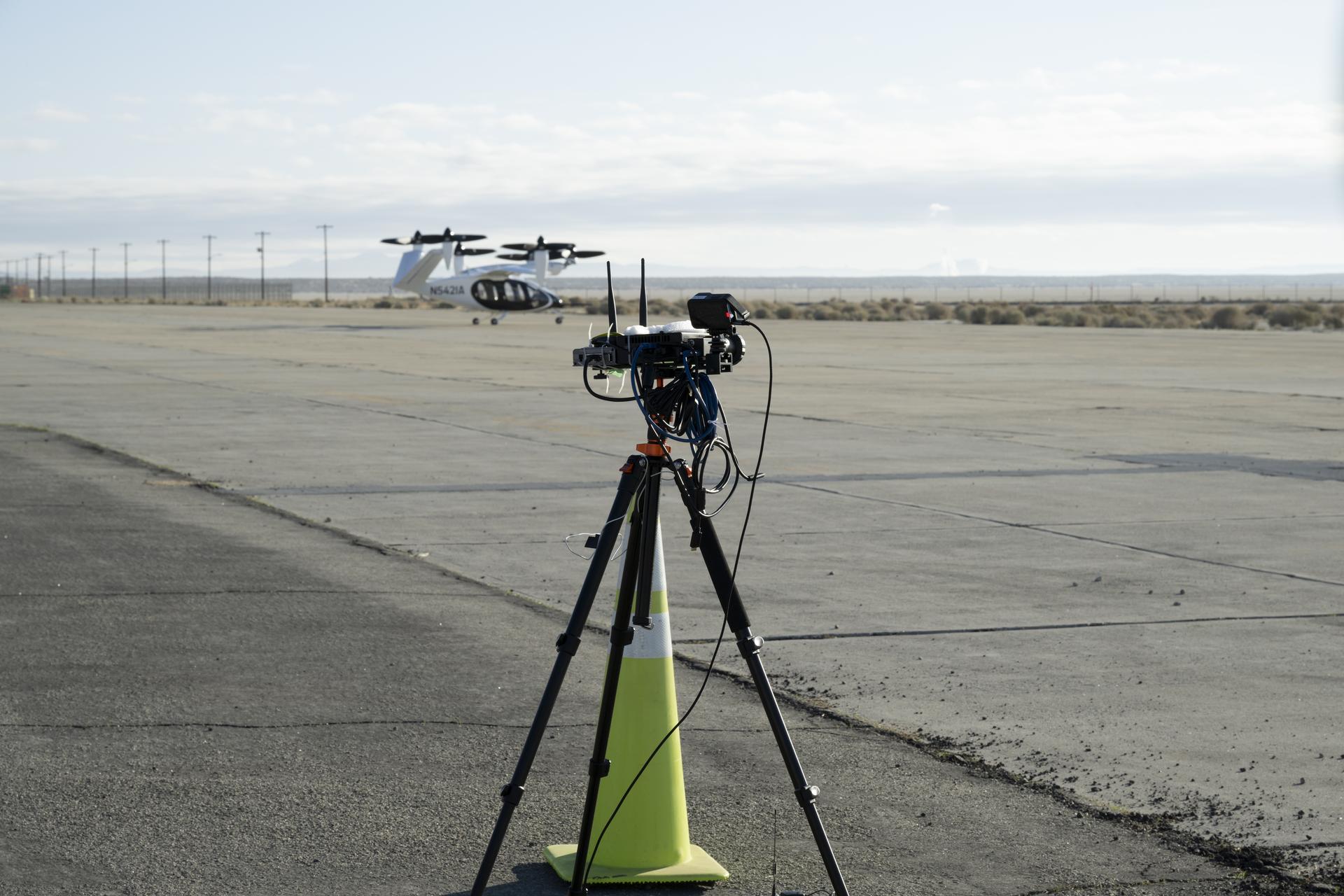
Automation can remove a repetitive task while creating a new exception, supervision requirement, or failure point. The useful decision is whether a specific process performs better under real operating conditions, including the conditions that make the task difficult.
Air cargo leaders should separate decision-support software, automated warehouse equipment, airport ground vehicles, and uncrewed aircraft. They have different hazards, approvals, deployment environments, and routes to a workable business case.
Start with the task and its boundaries
Describe the problem in operating terms: a preventable documentation error, an unreliable dispatch decision, a repetitive transfer, or a delay in identifying maintenance needs. Establish the current performance, cost, safety controls, and staffing before proposing a technology. Identify what remains under human authority.
The original article’s drone-delivery growth, delay-reduction percentages, and aviation-support job projection did not have verified supporting definitions and sources. They are removed. A vendor result or a successful demonstration should not become a sector-wide performance claim.
Match the approval path to the operation
FAA’s airport ground-vehicle guidance supports controlled testing and calls for early coordination with the relevant FAA office. It identifies remote, low-speed, less congested areas as safer places to explore the technology. That guidance is not blanket permission to deploy a vehicle around active aircraft. [1]
FAA’s current drone package-delivery guidance describes Part 135 certification and operation-specific authorizations for small-drone carriage of another party’s property for compensation beyond visual line of sight. A technology trial does not establish authority for a commercial route, payload, or operating environment. [2]
| Use case | Pilot boundary | Evidence before expansion |
|---|---|---|
| Document assistance | Defined records with human review | Errors and missed exceptions measured against the existing process. |
| Dispatch or scheduling support | Limited operation and retained authority | Benefit during disruption, override performance, data quality. |
| Autonomous ground movement | Approved controlled area and defined conditions | Safe stops, mixed traffic, communications loss, recovery. |
| Uncrewed delivery | Specific authorized operation | Applicable approvals, payload, weather, handoffs and fallback. |
Make the pilot capable of disproving the case
In a hypothetical warehouse pilot, an automated transfer works between two fixed points during a quiet shift. Test the next relevant conditions before scaling: an obstructed route, a changed load, a person entering the area, a communication loss, and an unavailable destination. Develop safe test procedures with qualified personnel; do not improvise hazardous failures in live operations.
Measure the whole process, including exception handling, supervision, maintenance, charging, rework, and fallback. A faster individual movement can still create a downstream queue. Compare results with an appropriate baseline and account for changes in volume, staffing, or freight mix during the pilot.
Keep people able to manage the exceptions
Involve the workforce in defining the exceptions and safe recovery. Train the actual shift team, including supervisors and maintenance staff. Protect the learning pathway for new employees when routine work is removed; pair them with experienced staff for supervised exception handling and explain why decisions are made.
Define when a person must intervene, what information they receive, how much time they have, and what authority they retain. A nominal human override is not useful if the operator cannot understand the situation or reach the control in time.
Set the commercial and governance terms
Confirm data rights, support availability, updates, cybersecurity, integration costs, insurance review, and responsibility for a failed service. Do not describe liability as universally undefined; identify the contracts and applicable law that need specialist review for this use case.
Adopt a proceed, modify, or stop decision before the pilot begins. Record the performance and safety criteria, responsible approver, minimum evidence, and conditions requiring a pause. Retain an executable fallback rather than assuming the original workforce or equipment can be restored immediately.
Give policymakers evidence they can use
Useful evidence identifies the task, operating environment, exposure, failures, interventions, and recovery. Report unsuccessful conditions as well as successful runs. Policy can support proportionate testing and clearer responsibilities while maintaining safety, worker preparation, and accountability.
Diakon Partners helps organizations connect those implementation choices with the relevant policy and stakeholder decisions. Scaling should follow demonstrated operational capability within the applicable authority.